
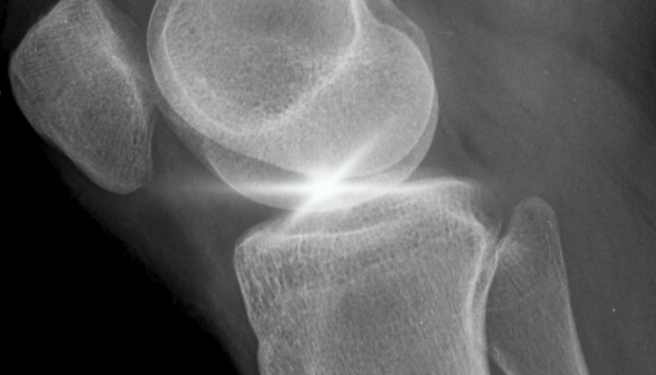
Silk fibroins exhibit a highly organized hierarchical structure consisting of nanocrystalline β-sheet domains dispersed within an elastomeric amorphous matrix. This biphasic configuration enables the formation of hydrated films with high shear resistance and, simultaneously, low friction coefficients under both boundary and mixed lubrication regimes. In simulated joint environments (PBS, pH 7.4, 37 °C), the ability of regenerated fibroin to self-assemble into adsorbed layers on cartilaginous or biomimetic surfaces (type II collagen, functionalized hydroxyapatite) is driven by hydrophobic interactions and cooperative hydrogen bonding. β-sheet density directly modulates the viscoelastic modulus of the film and its stability under cyclic loading.
Sericin, when properly purified to reduce its immunogenic component, contributes highly hydrophilic domains that enhance hydration of the lubricating layer and promote the formation of persistent hydration shells. The fibroin/sericin combination allows the generation of wettability gradients and rheological properties comparable to those of physiological synovial fluid under confined conditions.
Non-newtonian rheology and load response
Systems based on regenerated fibroin display a marked shear-thinning behavior, with a progressive decrease in viscosity as the shear rate increases and the achievement of a viscous plateau at low shear rates. This rheological profile is particularly relevant in the articular context, where operating conditions range from slow and prolonged movements dominated by squeeze-film phenomena to dynamic phases characterized by high relative velocity between cartilage surfaces. Under quasi-static conditions, the high apparent viscosity enables effective energy dissipation and greater resistance to fluid expulsion from the joint compartment; conversely, during motion, the viscosity decrease reduces frictional forces and limits surface wear.
Modulation of these parameters can be achieved through physical or enzymatic crosslinking strategies. Methanol or water-vapor treatments induce an increase in the β-sheet fraction, resulting in higher elastic modulus and longer relaxation times, whereas HRP/H?O?-based systems enable the formation of crosslinks on tyrosine residues under mild and controlled conditions. The resulting material is capable of rapid viscoelastic recovery after repeated loading cycles, a key property for maintaining an effective lubricating thickness even in osteoarthritic joints with reduced fluid retention capacity.
Interface with degenerated cartilage
The surface of osteoarthritic cartilage is characterized by profound alterations in both composition and topography: proteoglycan depletion reduces interstitial osmotic pressure, while exposure of collagen fibrils increases roughness and modifies surface charge distribution. In this scenario, functionalized fibroin-based systems show a significant advantage in terms of adhesion and persistence.
The introduction of peptide sequences with affinity for specific extracellular matrix components enables selective adsorption even on highly degraded substrates. Covalent anchoring via carbodiimide chemistry (EDC/NHS) exploits the greater availability of exposed carboxyl groups in damaged cartilage, generating a stable interface resistant to mechanical stresses. This approach reduces lubricating film delamination and prolongs its functional efficacy.
The formation of hybrid systems with hyaluronic acid or recombinant lubricin produces a synergistic effect: on one hand, it increases local osmotic pressure and water-retention capacity; on the other, a drastic reduction in the friction coefficient under boundary lubrication is observed, with values comparable to those of physiological synovial fluid. In parallel, a decrease in cartilage wear phenomena is detected, attributable to the formation of a highly hydrated and mechanically stable interfacial layer.
Intra-articular delivery strategies
Injectable silk-based formulations exploit the possibility of inducing a sol–gel transition directly in situ. Concentrated fibroin solutions, once introduced into the joint compartment, can gel in response to changes in ionic strength, pH, or local protein concentration, forming a reservoir adherent to the synovial membrane and cartilage surfaces. This depot acts as a sustained-release source of lubricating material, compensating for the rapid clearance typical of high–molecular weight linear molecules.
An alternative approach involves the use of shear-responsive micro- and nanoparticles. These structures, dispersed within the synovial fluid, function as load-bearing elements at peak compression, reducing direct contact between articular surfaces. Under stress, the particles organize into transient structures capable of uniformly distributing mechanical load, while at rest they return to a dispersed state, contributing to the overall viscosity of the system.
Thermoresponsive composite hydrogels represent a further evolution: injected in fluid form, they solidify at physiological temperature, forming a three-dimensional network that combines lubricating properties with the function of a temporary scaffold.
Comparative tribology with conventional viscosupplements
In direct comparison with high–molecular weight hyaluronates, silk-based systems exhibit greater mechano-enzymatic stability. While hyaluronic acid undergoes rapid depolymerization in the osteoarthritic environment, fibroin maintains its structural integrity for significantly longer periods due to the protection provided by β-sheet domains.
From a tribological perspective, the friction coefficient of silk-based materials remains stable even after repeated loading and unloading cycles, indicating lower sensitivity to dilution and degradation. Moreover, under confined conditions these systems demonstrate the ability to form solid-like films capable of sustaining high loads without structural collapse.
These features are particularly relevant in advanced stages of osteoarthritis, in which conventional viscosupplementation is limited by rapid loss of efficacy due to synovial clearance and molecular fragmentation.
Bioactivity and modulation of inflammation
Beyond their purely mechanical function, fibroin degradation products exert direct biological effects on the resident cells of the joint. The released peptides interact with chondrocytes and synoviocytes by modulating the expression of pro-inflammatory cytokines and metalloproteinases, leading to an overall reduction of the catabolic drive typical of osteoarthritis.
At the same time, silk-coated surfaces influence the behavior of synovial macrophages, limiting polarization toward the M1 phenotype and promoting the emergence of M2-like profiles associated with reparative processes. This effect contributes to the establishment of a less degradative articular microenvironment that is more favorable for the preservation of the residual cartilage matrix.
