
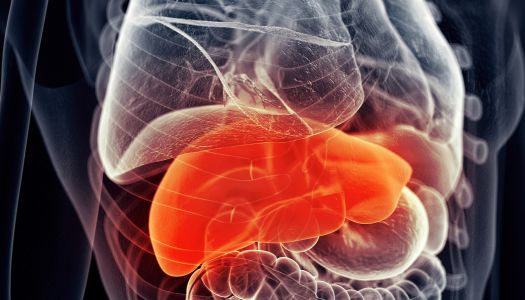
The global epidemic of obesity and associated metabolic diseases has driven the scientific community toward exploring bioactive molecules capable of interfering with the pathophysiological mechanisms underlying adipose accumulation and dyslipidemias. In this context, preclinical research has identified sericin as a candidate of growing interest, not so much for a generic anti-hypercholesterolemic effect, but for its ability to modulate specific metabolic processes at the enteric, hepatic, and mitochondrial levels.
Interference with intestinal lipid absorption
One of the best-characterized mechanisms of action of sericin concerns its interaction with lipid absorption processes in the gastrointestinal tract. Studies conducted on murine models have demonstrated that oral administration of sericin in animals rendered obese by a high-fat diet leads to a significant increase in fecal lipid excretion, suggesting direct interference with fatty acid absorption mechanisms at the enteric level.
This experimental finding finds solid confirmation in mechanistic investigations conducted on Caco-2 intestinal cell lines, in which sericin was observed to reduce cholesterol uptake by up to thirty percent at concentrations ranging from twenty-five to fifty micrograms per milliliter. The phenomenon appears attributable to a dual action: on one hand, the silk cocoon protein reduces cholesterol solubility within lipid micelles; on the other, it directly interferes with transport mechanisms across the enterocyte brush border.
Parallel to these effects on absorption, sericin exerts a trophic action on the intestinal mucosa. In diet-induced obesity models, treatment with the protein resulted in the restoration of normal morphometry of the jejunal wall, altered by the obesogenic condition, suggesting a potential role in maintaining intestinal barrier integrity.
Remodeling of systemic lipid profile and hepatic steatosis
The interference with intestinal absorption translates, at the systemic level, into significant modulation of the lipid profile. Administration of sericin in rats rendered hypercholesterolemic through diet has shown a dose-dependent reduction in total cholesterol and the non-HDL fraction, accompanied by an increase in high-density lipoproteins. The effect was documented as early as fourteen days after treatment with dosages ranging from ten to one thousand milligrams per kilogram per day.
Particularly relevant appear to be the findings regarding hepatic lipid accumulation. In animal models of obesity and hypercholesterolemia, treatment with sericin significantly reduced the deposition of triglycerides and cholesterol at the hepatic level, counteracting the onset of steatosis. This hepatoprotective effect is accompanied by a reduction in adipocyte hypertrophy phenomena in visceral districts, particularly at the retroperitoneal and periepididymal levels.
Mitochondrial homeostasis and oxidative stress
An important contribution to understanding sericin's mechanisms of action has come from electron microscopy and proteomics studies investigating its effects at the mitochondrial level. Chronic hypercholesterolemia is associated with mitochondrial dysfunction with architectural alterations involving key organs such as the heart, liver, and kidney. Sericin has demonstrated the ability to preserve the structural integrity of hepatic and cardiac mitochondria under hypercholesterolemic conditions, acting through multiple molecular pathways.
Proteomic analysis has revealed that the cocoon protein modulates the expression of proteins involved in mitochondrial fission and fusion processes, particularly dynamin-related protein-1 and OPT atrophy-1, maintaining the dynamic equilibrium of the mitochondrial population. Concurrently, sericin intervenes in mitochondrial quality control mechanisms by regulating apoptotic proteins such as NADH-ubiquinone oxidoreductase and autophagic proteins including mitochondrial elongation factor Tu and prohibitin-2.
The mitochondrial action also manifests through the enhancement of endogenous antioxidant systems. Administration of sericin in hypercholesterolemic models increased superoxide dismutase levels and reduced lipid peroxidation markers such as malondialdehyde, likely through activation of the transcription factor Nrf-2. This balancing of oxidative stress contributes to preserving not only mitochondrial functionality but also the integrity of the endoplasmic reticulum, particularly in exocrine pancreatic acinar cells.
Enzymatic and hormonal biosynthesis homeostasis
An often overlooked aspect of considerable pathophysiological interest concerns the effect of sericin on cellular biosynthesis at the pancreatic and adrenal levels. Hypercholesterolemia causes alterations in biosynthetic processes involving enzymes and hormones implicated in the regulation of lipid metabolism. Sericin has been shown to preserve levels of aquaporin-1 and tubulin-4beta in exocrine pancreatic acinar cells and in the adrenal glomerulosa zone, markers of biosynthetic integrity.
This effect correlates positively with serum lipase levels, a key enzyme in triglyceride lipolysis, suggesting that maintenance of pancreatic biosynthetic capacity may contribute, in a positive feedback loop, to improvement of the lipid profile. The preservation of pancreatic zymogen granule integrity, documented by electron microscopy, further supports this interpretation.
Tissue specificity
An element of particular interest emerging from the literature is the tissue specificity of sericin's effects. While heart and liver show a clear improvement in mitochondrial architecture following treatment, the kidney does not appear to benefit from the same protective effect. In hypercholesterolemic rats treated with sericin, an increase in renal mitophagy is actually observed, evidenced by up-regulation of LC-3, which could reflect an adaptive response to persistent damage or a different susceptibility of the organ to the protein's action.
It is necessary to emphasize that the available literature presents intrinsic limitations that impose caution in extrapolating results. The studies are predominantly conducted on rodent models with relatively short treatment periods, ranging from seven to thirty days, and high dosages reaching one thousand milligrams per kilogram per day. Furthermore, a recent study on obese mice clearly highlighted that treatment with sericin does not determine a complete reversal of all physiological alterations induced by obesity, being limited to specific effects on the intestinal tract and fecal lipid excretion.
These observations suggest that sericin, rather than representing a resolutive therapy for obesity, might configure itself as an adjuvant capable of enhancing specific homeostatic mechanisms, selectively modulating certain critical nodes of the metabolic network without however overturning the entire pathophysiology of the obesogenic syndrome.
