
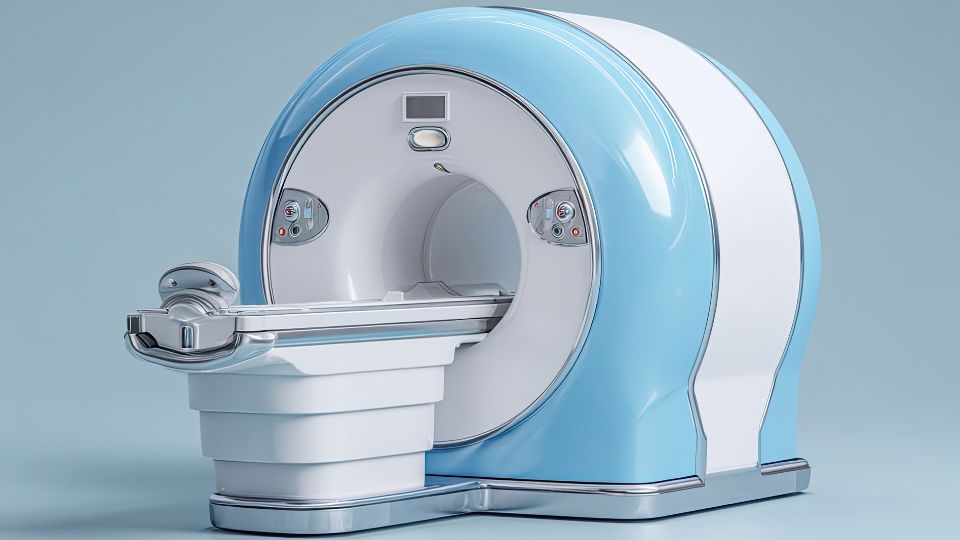
The integration of magnetic nanoparticles within fibroin represents an advanced strategy for the design of functional biomaterials capable of responding to external stimuli and simultaneously performing therapeutic and diagnostic functions. This paradigm, known as the theranostic approach, enables the combination of controlled drug release and non-invasive monitoring through imaging techniques, particularly magnetic resonance imaging. Fibroin, due to its highly organized molecular structure and the possibility of modulating its properties through physico-chemical treatments, represents an extremely versatile platform for the incorporation of magnetic nanofillers without compromising biocompatibility and biodegradability. The interest in magneto-responsive fibroin derives from the possibility of creating intelligent scaffolds and delivery systems that can be guided, activated, or modulated by external magnetic fields, paving the way for localized and personalized therapies.
Magnetic functionalization
Magnetic functionalization of fibroin is mainly achieved by incorporating superparamagnetic iron oxide nanoparticles, such as magnetite (Fe?O?) and maghemite (γ-Fe?O?). These nanoparticles can be integrated into the protein matrix through various strategies, including solution blending, in situ mineralization, magnetic electrospinning, film casting, and biocompatible 3D printing. The choice of the method influences nanoparticle distribution, fibroin crystallinity, and the mechanical and magnetic properties of the final composite material.
At the molecular level, nanoparticles interact with fibroin through electrostatic interactions, coordination with amino acid residues containing carboxyl and amino groups, or physical confinement within the amorphous regions of the protein. These interactions can modulate the conformational transition of fibroin from random coil to β-sheet structures, affecting stiffness, hydrolytic stability, and enzymatic degradation of the biomaterial. Moreover, the degree of magnetic loading can be tuned to achieve a balance between magnetic responsiveness and optimal biological properties.
Properties and stimulus-responsive behavior
The incorporation of magnetic nanoparticles confers unique magneto-mechanical properties to fibroin, making the material sensitive to static or alternating magnetic fields. In the presence of a magnetic field, nanoparticles can induce local deformations of the matrix, orientation of electrospun fibers, or heat generation through magnetic hyperthermia. These phenomena allow dynamic control over scaffold structure, porosity, and solute diffusion.
From a mechanical perspective, nanoparticles can increase the elastic modulus and tensile strength, acting as nanostructured reinforcements. However, excessive concentrations may lead to aggregation and material brittleness, making optimization of nanoparticle dispersion and surface functionalization crucial. Magnetic properties can be characterized using vibrating sample magnetometry (VSM) or SQUID magnetometry, while mechanical properties can be evaluated through tensile, compression, and nanoindentation tests.
Magnetically controllable scaffolds for drug delivery
Magneto-responsive fibroin is currently considered a highly promising platform for advanced drug delivery systems. Magnetic scaffolds can be loaded with therapeutic molecules, such as anticancer drugs, antibiotics, proteins, or nucleic acids, and guided toward specific sites using external magnetic fields. This approach enables non-invasive physical targeting, reducing systemic drug dispersion and increasing local concentration at the target tissue.
Furthermore, the application of alternating magnetic fields can induce localized hyperthermia, promoting controlled drug release and enhancing therapeutic efficacy, for instance in chemotherapy combined with magnetic hyperthermia. Release kinetics can be modulated through scaffold porosity, fibroin crystallinity, and nanoparticle surface functionalization, allowing fine control over short- and long-term release profiles.
Diagnostic imaging and integrated theranostic systems
Magnetic nanoparticles incorporated into fibroin also act as contrast agents for magnetic resonance imaging (MRI), improving tissue visualization and the traceability of implanted scaffolds. Their presence alters the T? and T? relaxation times of water protons, enabling non-invasive monitoring of biomaterial distribution and drug payload over time. This approach enables the development of integrated theranostic systems, in which diagnosis and therapy are combined within a single biomaterial platform. Such systems allow real-time monitoring of tissue response, scaffold degradation, and treatment efficacy, facilitating precision medicine strategies and therapeutic personalization.
The combination of this protein with another silk-derived component such as sericin enables the development of multicomponent biomaterials with synergistic properties. Sericin, characterized by a high density of hydrophilic functional groups, can enhance hydration, cell adhesion, and surface bioactivity of magnetic scaffolds. Additionally, sericin can serve as a matrix for loading sensitive biomolecules, while fibroin provides structural support and mechanical stability. Ternary fibroin–sericin–magnetic nanoparticle scaffolds can be designed for applications in bone, cartilage, and skin tissue engineering, as well as for the delivery of growth factors and cells. The presence of sericin can also modulate immune responses and promote regenerative processes, making these systems particularly attractive for advanced regenerative medicine applications.
Biological characterization and tissue interaction
The biological evaluation of magneto-responsive fibroin requires comprehensive studies of cytocompatibility, cell adhesion and proliferation, as well as differentiation analyses in specific cellular models. Properly functionalized magnetic nanoparticles generally exhibit good biocompatibility, while fibroin and sericin support cell growth and interaction with the extracellular matrix. Cellular responses can be modulated through magnetic stimuli, for example by inducing cell alignment on magnetically oriented fibers or remote mechanical stimulation, opening new possibilities for biostimulation and dynamic tissue engineering. Moreover, in vivo studies can assess biodistribution, degradation, and tissue integration of magnetic scaffolds, providing crucial information for clinical applications.
