
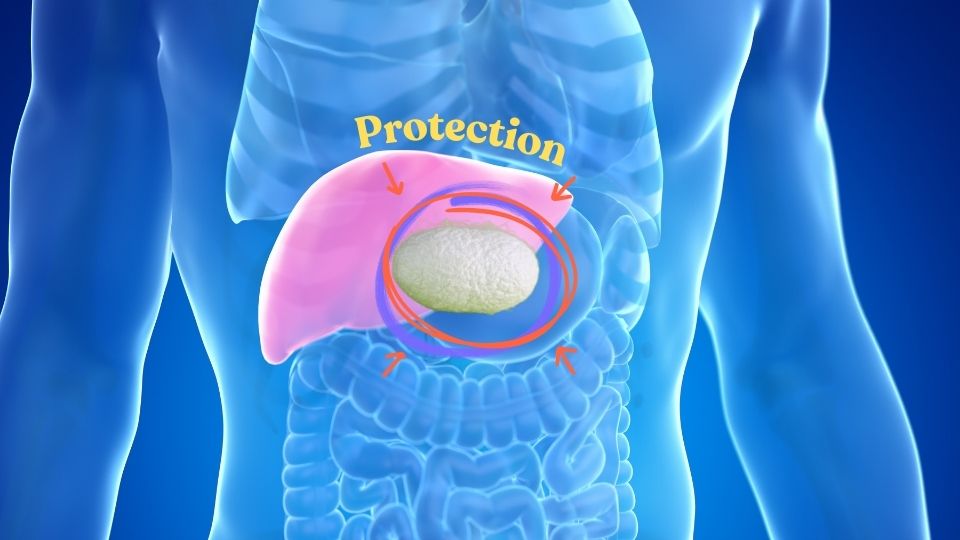
The first area in which sericin demonstrates its hepatoprotective potential concerns the modulation of oxidative stress, that pathological condition characterized by an imbalance between the production of reactive oxygen species and cellular antioxidant capacity. The liver, by its very nature metabolically hyperactive, constantly generates free radicals during normal biotransformation processes. When this production exceeds endogenous antioxidant defenses, a cascade of harmful events is triggered that can lead to lipid peroxidation of cell membranes, protein oxidation, and DNA damage.
Research has demonstrated that sericin is capable of significantly enhancing the hepatic antioxidant system through the upregulation of key enzymes such as superoxide dismutase, catalase, and glutathione peroxidase. This effect is not limited to simple direct scavenging of free radicals but involves a true reprogramming of gene expression through the activation of the transcription factor Nrf2, considered the master regulator of the cellular antioxidant response. When sericin comes into contact with hepatocytes, it triggers a cascade of signals that culminate in the nuclear translocation of Nrf2, which in turn activates the transcription of hundreds of genes involved in detoxification and cellular protection.
Counteracting steatosis: modulation of hepatic lipid metabolism
Particularly relevant is sericin's action in counteracting hepatic steatosis, that pathological condition characterized by the abnormal accumulation of triglycerides in hepatocytes. Steatosis represents today one of the most widespread hepatic problems globally, closely correlated with the obesity and metabolic syndrome epidemic afflicting Western societies. Experimental studies have revealed that sericin interferes with multiple metabolic pathways involved in hepatic lipid accumulation, acting on both the endogenous synthesis of lipids and their degradation.
At the molecular level, sericin has demonstrated the ability to modulate the activity of SREBP-1c, the sterol regulatory element-binding protein transcription factor that represents the primary regulator of hepatic lipogenesis. By reducing the expression and activation of SREBP-1c, sericin consequently decreases the expression of lipogenic enzymes such as fatty acid synthase and acetyl-CoA carboxylase, thereby limiting the de novo synthesis of fatty acids in hepatocytes. In parallel, this silk protein stimulates lipid catabolic pathways, particularly through the activation of AMPK, the adenosine monophosphate kinase that functions as a cellular energy sensor.
The activation of AMPK by sericin represents a particularly elegant mechanism of metabolic protection. This kinase, once phosphorylated and activated, triggers a series of events that promote the beta-oxidation of fatty acids at the mitochondrial level, increasing the energy consumption of hepatocytes while simultaneously reducing anabolic processes. This dual metabolic effect results in a net decrease in hepatic lipid content, with consequent improvement in cellular functionality and reduction of inflammation associated with steatosis.
Protection against toxins
The ability of sericin to protect the liver from damage induced by toxins and drugs constitutes perhaps the most clinically relevant aspect of its hepatoprotective properties. Numerous studies have evaluated the effectiveness of this protein in counteracting hepatotoxicity induced by substances such as paracetamol, carbon tetrachloride, alcohol, and various chemotherapeutic agents. In all these experimental models, the administration of sericin has shown promising results, significantly reducing markers of hepatocellular damage such as serum transaminases and preserving the histological architecture of hepatic tissue.
In the specific case of paracetamol intoxication, one of the most common drug overdoses in Western countries, sericin exerts its protection through multiple converging mechanisms. First, it increases stores of reduced glutathione, the primary endogenous antioxidant that is dramatically depleted during paracetamol intoxication. This effect occurs both through the stimulation of glutathione synthesis and through the reduction of its consumption, thanks to the direct antioxidant action of sericin that partially buffers the oxidative stress induced by the toxic metabolite N-acetyl-p-benzoquinone imine.
Furthermore, sericin favorably modulates the metabolism of paracetamol itself, influencing the activity of cytochrome P450 enzymes. In particular, it reduces the activity of CYP2E1, the cytochrome isoform most responsible for the conversion of paracetamol into its toxic metabolite, while maintaining or even enhancing non-toxic conjugation pathways mediated by glucuronidation and sulfation. This metabolic redirection translates into lower production of the harmful metabolite and more rapid elimination of the drug through safe pathways.
Anti-inflammatory action
The anti-inflammatory action of sericin represents another pillar of its hepatoprotective activity, particularly relevant considering that chronic inflammation constitutes the common denominator of many progressive hepatic pathologies. Sericin interferes with the inflammatory cascade at multiple levels, inhibiting the activation of the transcription factor NF-κB, the primary orchestrator of the cellular inflammatory response. When NF-κB remains sequestered in the cytoplasm in inactive form thanks to the action of sericin, there is a drastic reduction in the transcription of proinflammatory cytokines such as TNF-α, IL-1β, and IL-6, molecules that play a crucial role in the amplification of hepatocellular damage and progression toward fibrosis.
Recent studies have also highlighted how sericin can modulate the activation of hepatic stellate cells, the primary effectors of hepatic fibrogenesis. These cells, normally quiescent and dedicated to the storage of vitamin A, when activated by signals of chronic damage transform into myofibroblasts producing extracellular matrix, leading to the progressive replacement of hepatic parenchyma with non-functional scar tissue. Sericin has demonstrated the ability to interfere with this process of trans-differentiation, maintaining stellate cells in a quiescent state and reducing the production of collagen and other matrix proteins.
The mitochondrial protection offered by sericin deserves particular attention, considering the central role of these organelles in hepatocellular viability. Hepatic mitochondria are constantly subjected to stress during beta-oxidation and oxidative phosphorylation processes, resulting in particular vulnerability to oxidative damage. Sericin preserves the integrity of the inner mitochondrial membrane, maintaining membrane potential and preventing the release of pro-apoptotic factors such as cytochrome c. This cytoprotective effect translates into a significant reduction of programmed cell death in hepatocytes exposed to toxic insults, contributing to the maintenance of functional hepatic mass.
The gut-liver axis: microbiota modulation and hepatic protection
A particularly interesting aspect emerging from more recent research concerns sericin's ability to modulate the intestinal microbiota, with consequent beneficial effects on the gut-liver axis. This protein appears to favor the growth of beneficial bacteria and reduce that of pathogenic species, improving the integrity of the intestinal barrier and reducing the translocation of bacterial endotoxins such as lipopolysaccharide. Since the liver constantly receives portal blood laden with products derived from the intestinal microbiota, this modulation of microbial composition translates into a reduction of chronic low-grade hepatic inflammation, particularly relevant in conditions of non-alcoholic steatohepatitis.
Research has also explored the effects of sericin on hepatic regeneration, that extraordinary process through which the liver is able to restore its functional mass after acute damage. Studies indicate that sericin can accelerate and optimize this regenerative process, stimulating hepatocyte proliferation through the modulation of growth factors such as HGF and EGF. This pro-regenerative effect, combined with protection from initial damage, creates a particularly favorable environment for the recovery of hepatic functionality after acute insults.
Pharmacokinetic aspects and safety profile
From the perspective of bioavailability and pharmacokinetics, sericin presents interesting characteristics that support its therapeutic application. Being a water-soluble protein of relatively contained molecular weight, it shows good intestinal absorption, especially when administered in hydrolyzed or partially degraded forms. Once absorbed, it effectively reaches the liver through portal circulation, accumulating preferentially in hepatocytes where it exerts its protective effects. Its relatively short half-life requires repeated administrations to maintain therapeutic levels, but at the same time guarantees a favorable safety profile with absence of toxic accumulation.
Toxicological studies conducted so far have not revealed significant adverse effects associated with the administration of sericin, even at high dosages and for prolonged periods. This intrinsic safety probably derives from the protein nature of the molecule and its natural origin from organisms used for millennia in human nutrition in some Eastern cultures. However, as with any bioactive substance, questions remain about its use in special populations such as pregnant women, children, and patients with advanced hepatic insufficiency, areas that require further dedicated studies.
The standardization of sericin preparations represents an important opportunity for its clinical application. The composition of sericin can vary significantly based on the silkworm species, breeding conditions, extraction methods, and purification processes. These variables can influence molecular weight, amino acid distribution, and consequently the biological activity of the final product. The scientific community is working to develop standardized production protocols that guarantee reproducibility and pharmaceutical quality of sericin preparations intended for therapeutic use.
Clinical perspectives: from laboratory to patient bedside
Future prospects for the clinical use of sericin in hepatology appear promising but require the completion of controlled clinical studies in humans. While preclinical data are abundant and consistent in demonstrating hepatoprotective efficacy in animal models, the translation of these results to human clinical practice requires well-designed trials that evaluate optimal dosages, therapeutic regimens, target populations, and clinically relevant outcomes. It would be particularly interesting to evaluate the efficacy of sericin as an adjuvant in conventional therapies for non-alcoholic steatohepatitis, a condition for which therapeutic options remain still limited.
Sericin could also find application in the prevention of iatrogenic hepatic damage in patients undergoing potentially hepatotoxic pharmacological treatments, such as anticancer chemotherapies or antiretroviral therapies. Its co-administration could allow maintaining the therapeutic efficacy of life-saving drugs while reducing their negative impact on hepatic functionality, thereby expanding the therapeutic window and improving treatment tolerability.
An ancient molecule for modern challenges
Sericin is therefore a natural molecule with remarkable hepatoprotective properties, capable of modulating multiple pathways involved in the pathogenesis of hepatic damage. Its pleiotropic action, which encompasses antioxidant protection, metabolic modulation, anti-inflammatory activity, and mitochondrial preservation, makes it a promising candidate for the development of innovative therapeutic strategies in hepatology. The path from basic research to clinical application still requires time and investment, but the scientific foundations are solid and fully justify the continuation of research efforts in this fascinating field where tradition and innovation meet to offer new therapeutic solutions.
